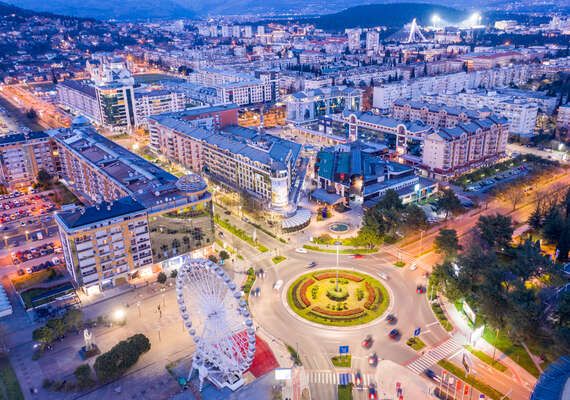
The roots of Podgorica stretch back to antiquity, starting with the Roman Birziminium and later the Slavic settlement of Ribnica. In 1474, the city fell under Ottoman rule, serving as a vital military and commercial hub for nearly four centuries. After becoming part of Montenegro in the 19th century, it was almost entirely destroyed during World War II bombings but rose from the ashes with modern architecture. Formerly known as “Titograd” during the socialist era, the city today blends its poignant history with a modern future.
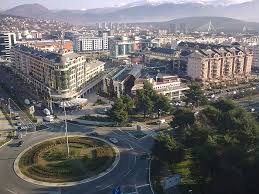
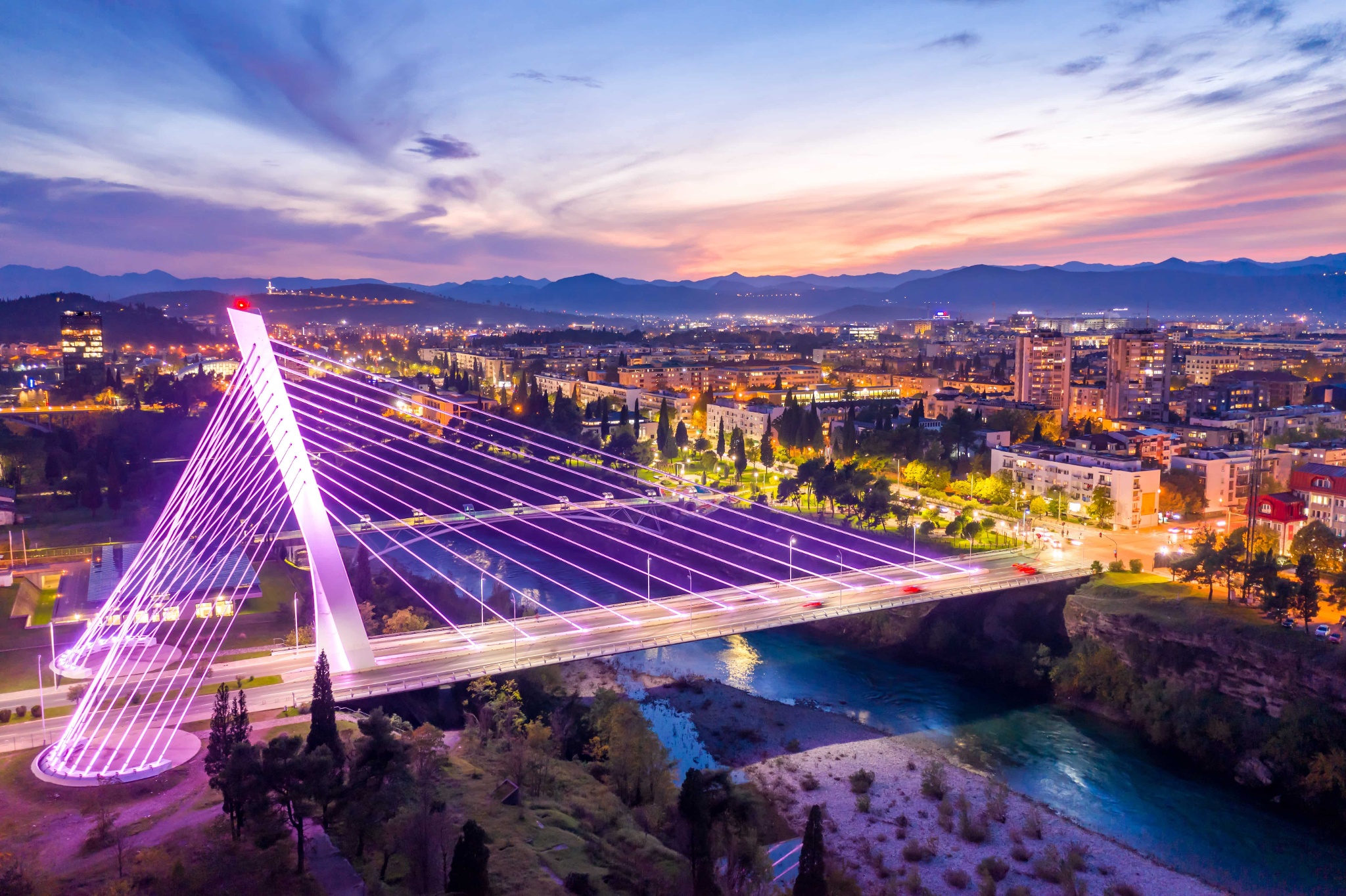
Podgorica’s most defining feature is its location in a basin where five rivers—Morača, Ribnica, Zeta, Cijevna, and Sitnica—converge. The Morača River, flowing through the heart of the city, is not just a water source but a turquoise ribbon that defines its character. The modern Millennium Bridge has become the city’s icon, representing its contemporary face, while the nearby Adzi-Pasa Bridge carries the elegance of the Ottoman era into the present day.
For those wishing to feel the city’s soul, the first stop should be Stara Varoš (Old Town). Narrow streets dating back to the Ottoman period, the Clock Tower (Sahat Kula), and small mosques are living proof of the city’s multicultural fabric. Walking here, you might feel as though you are in an old Balkan town, only to find yourself steps away from the wide boulevards and high-rises of modern Podgorica.
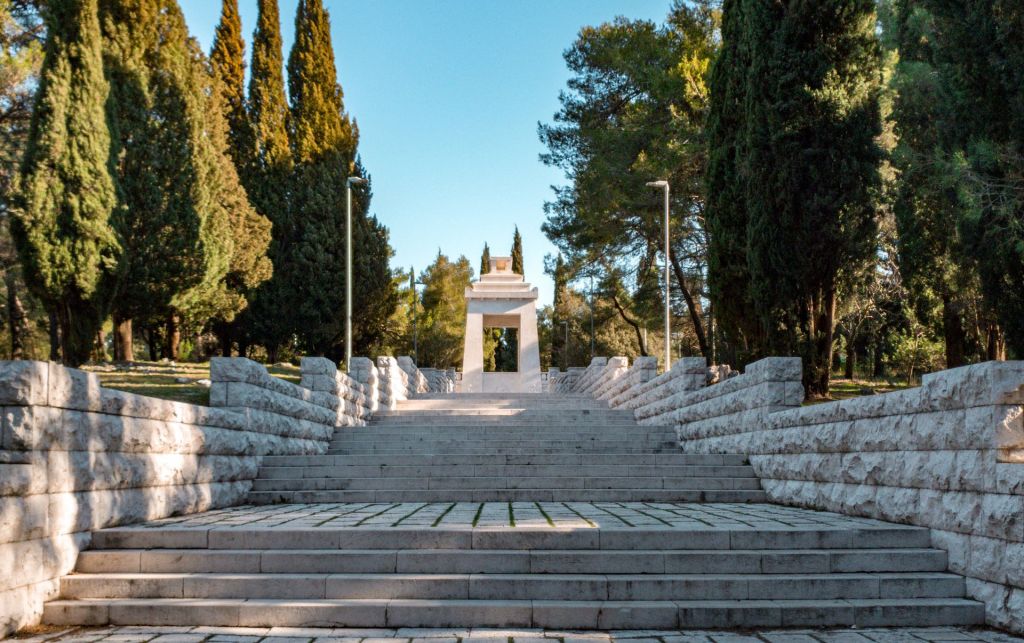
Podgorica truly earns its title as a “Green City.” Parks and forested areas scattered throughout the city provide vital breathing space. Gorica Hill, which gives the city its name (“Pod-Gorica” meaning “Under Gorica”), is a favorite escape for both tourists and locals with its walking trails, monuments, and fresh air. This green canopy offers natural cooling during the hot Mediterranean summers.
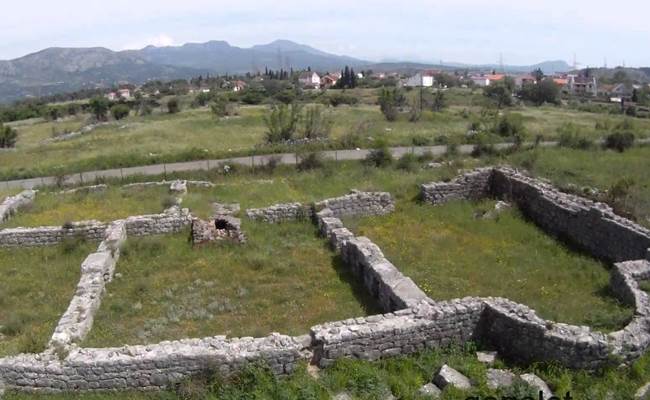
Culturally, Podgorica hosts Montenegro’s most significant museums, theaters, and art galleries. The Montenegrin National Theatre and the City Museum are ideal places to explore the country’s artistic heritage. Additionally, the ruins of the Ancient City of Duklja just outside the city whisper the grandeur of the Roman era to archaeology enthusiasts, proving that the city possesses a deep cultural legacy beyond its modern structures.
Regarding religious architecture, the Cathedral of the Resurrection of Christ (Saborni Hram Hristovog Vaskrsenja) is one of the city’s most magnificent landmarks. This massive Orthodox cathedral, which took years to complete, mesmerizes visitors with its intricate exterior and gold-leaf frescoes. Holding a prominent place in the city’s skyline, it blends modern Montenegrin faith with grand architectural vision.
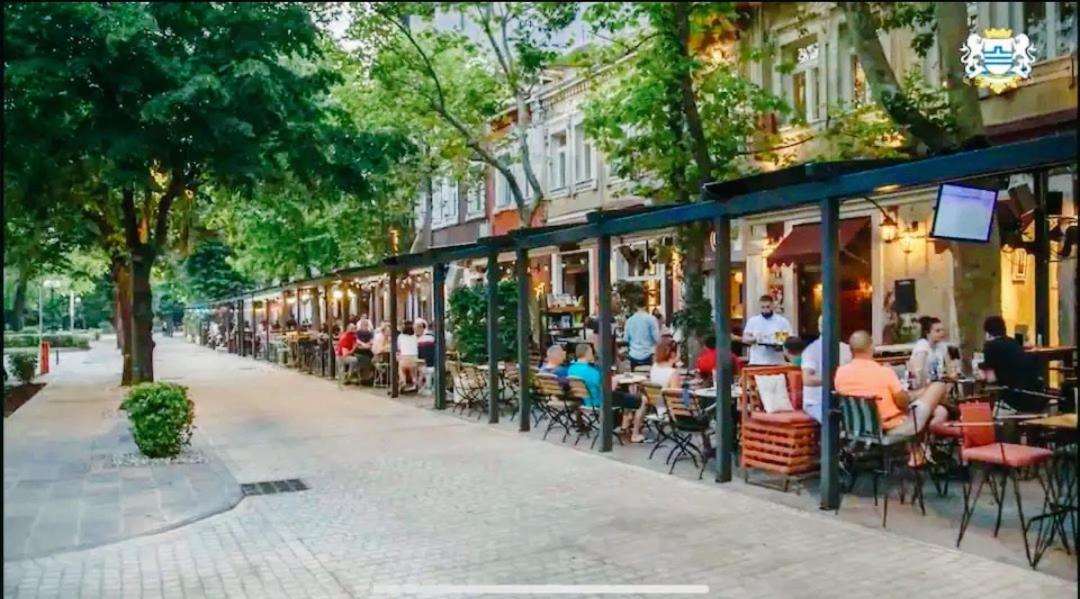
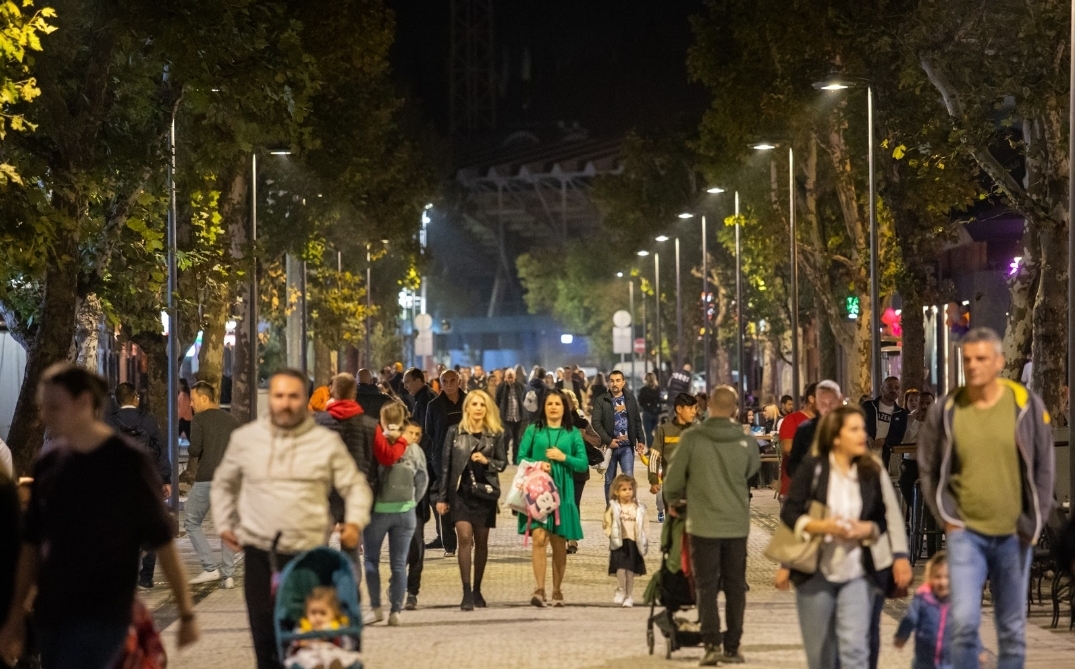
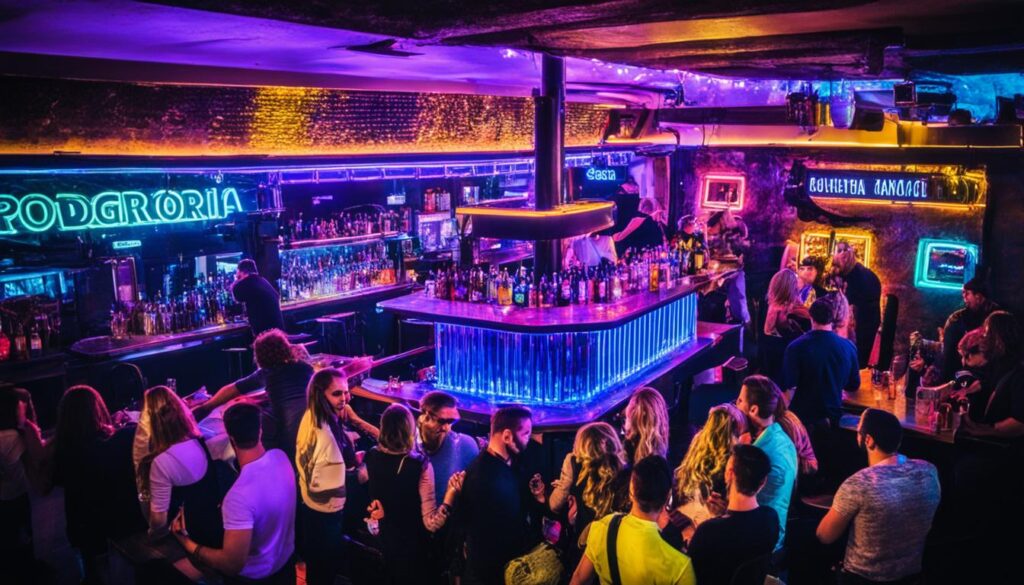
Podgorica is also a hub for gourmets and shoppers. Njegoševa and Bokeška streets are where the city’s energy pulses, featuring modern cafes, boutique shops, and a vibrant nightlife. Local restaurants offering the finest Montenegrin wines combine traditional Balkan cuisine with international flavors. The nearby famous “Plantaže” vineyards, one of Europe’s largest single-complex vineyards, are a must-see.
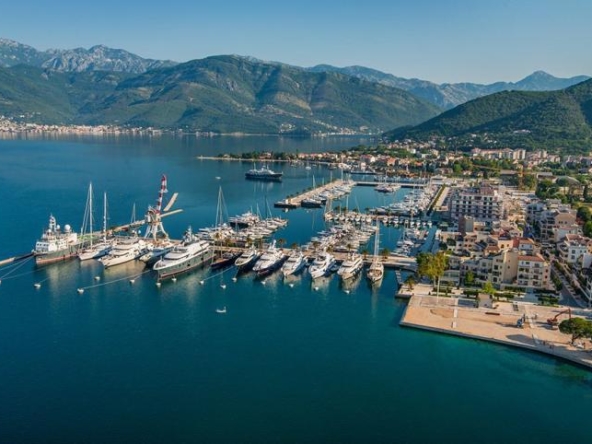
Thanks to its strategic location, Podgorica serves as the perfect base for exploring all of Montenegro. Within a mere hour’s drive, you can reach the Adriatic coast or the snowy mountains of the north. As the heart of the business world and a provider of peaceful living spaces, Podgorica continues to welcome investors and travelers as a rising star of the Balkans in 2026.