Montenegro stands as one of the finest examples of interfaith and intercultural peace in the Balkans. According to demographic projections for 2026 based on the latest census data, the Muslim population constitutes approximately 20% to 22% of the total population. This makes Islam the second-largest religious faith in the country after Orthodox Christianity. The ethnic fabric of the Muslim community is primarily composed of Bosniaks and Albanians, with a smaller group identifying ethnically as Montenegrin Muslims.
The highest concentration of the Muslim population is found in the northeastern part of the country (the Sandžak region) and along the southern coast. Rožaje is considered the stronghold of the Muslim community, with over 90% of its population being Muslim, followed by cities like Plav, Gusinje, Bijelo Polje, and Berane. In the south, Ulcinj is the largest Muslim settlement on the Adriatic coast. The capital, Podgorica, hosts a cosmopolitan Muslim population, bridging historic neighborhoods like Stara Varoš with modern Islamic life.
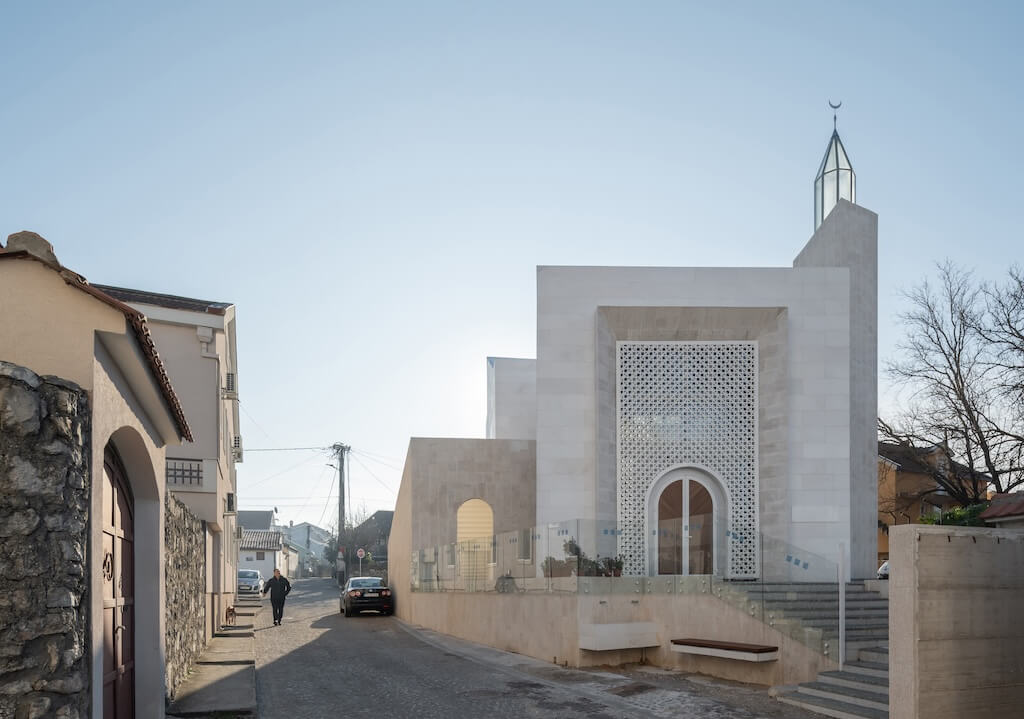
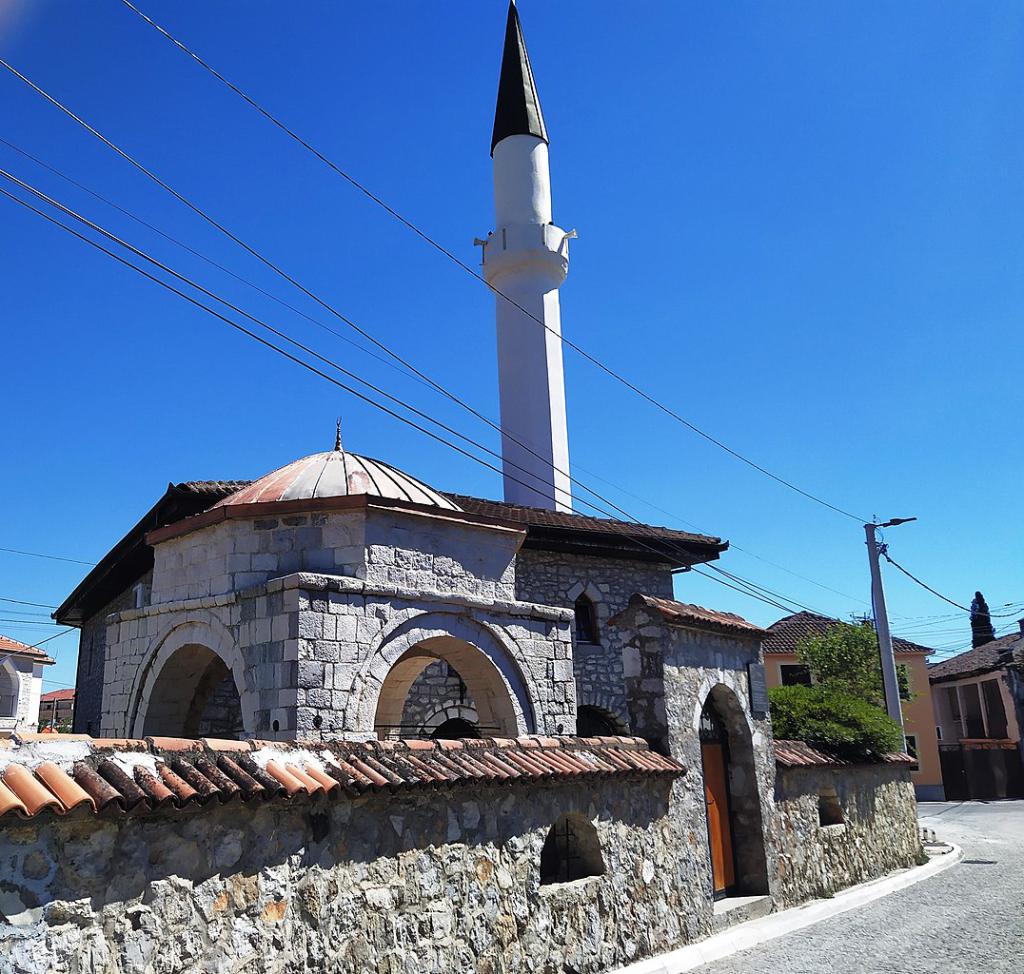
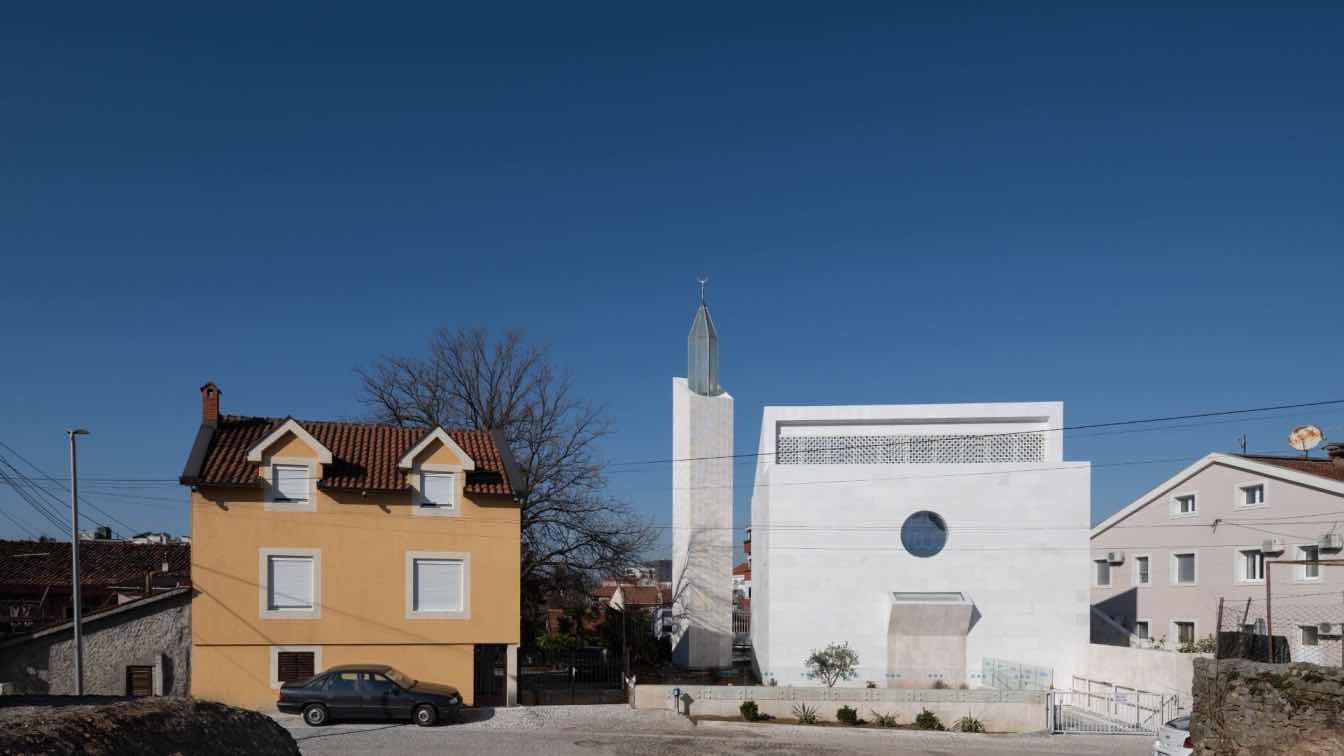
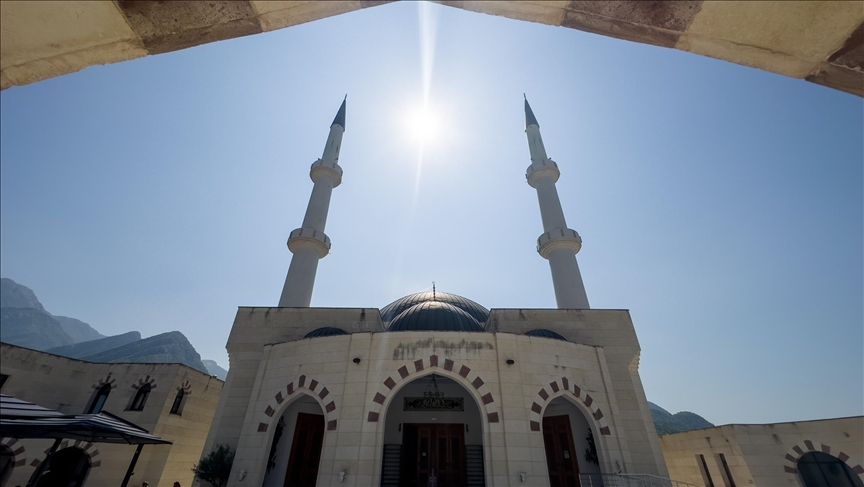
The influence of Islam is palpable in architecture and gastronomy. The Osmanagić Mosque in Podgorica and the Sailors’ Mosque in Ulcinj are prominent landmarks of this heritage. The Islamic Community of Montenegro (Mešihat) oversees religious affairs and is deeply integrated into social life through halal certification and educational institutions, such as the Madrasa in Tuzi. By 2026, halal tourism has become a rapidly growing sector, particularly in northern mountain resorts and southern boutique hotels.