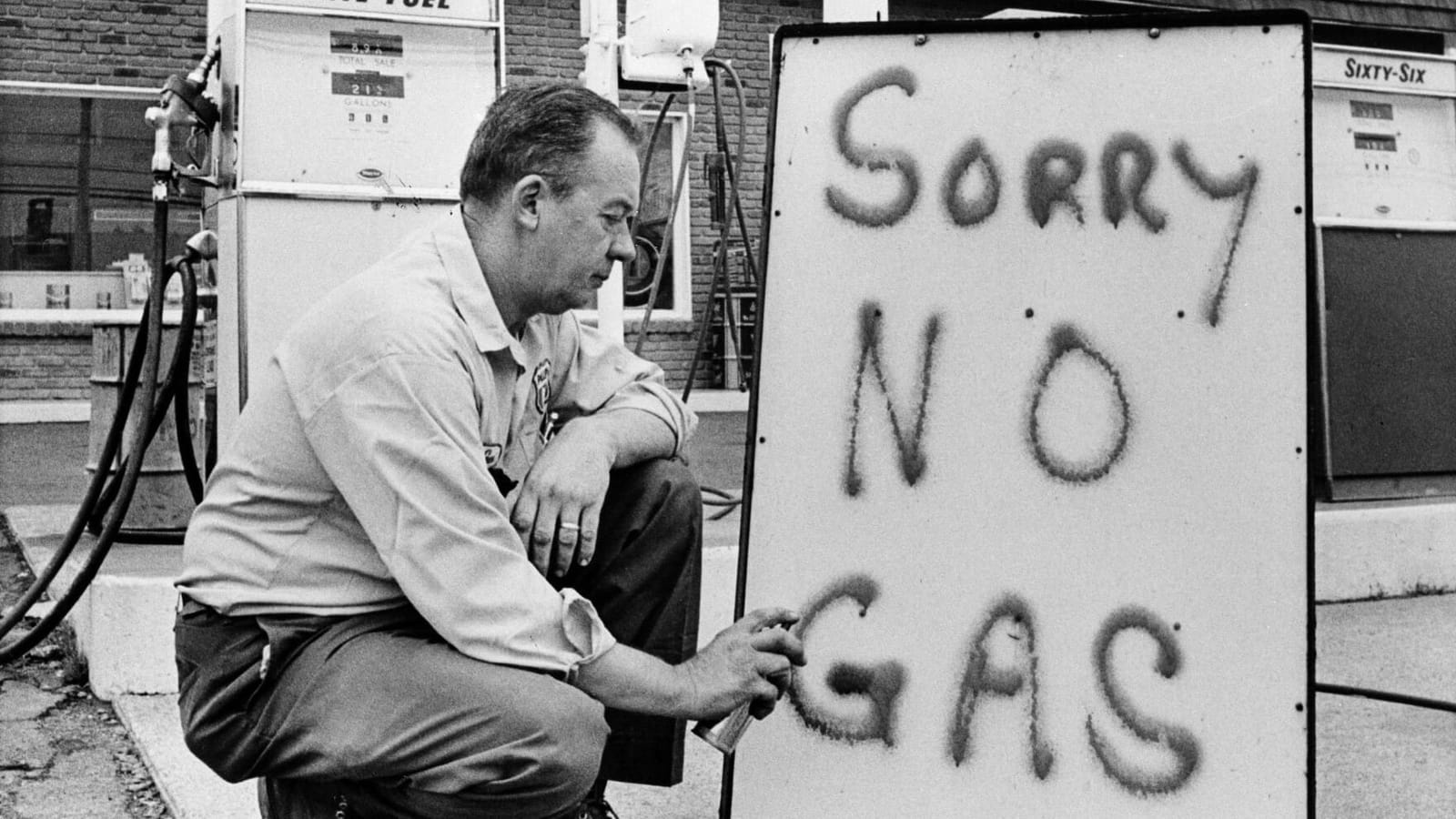
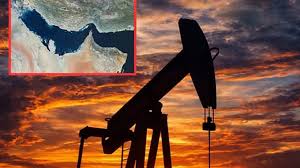
Military operations that began on February 28, 2026, and the effective closure of the Strait of Hormuz have caused global oil markets to experience one of the largest supply shocks in history. As of March 2026, the price of Brent crude has increased by more than 50% from its pre-war level of $72, approaching the $110 threshold.
A 10-point assessment analyzing this critical period in global energy markets is as follows:
Supply Security and the Strait of Hormuz Crisis: The closure of the Strait of Hormuz by Iran, through which approximately 20% of global oil supply passes, has brought nearly 20 million barrels per day of oil and petroleum products flows to a near halt.
Price Volatility and Record Increases: Brent crude tested the $119.50 level during March as the conflict intensified, reaching the highest levels in recent years.
Activation of Strategic Reserves: In order to close the supply gap, the International Energy Agency (IEA) announced the largest intervention in its history, releasing 400 million barrels of strategic petroleum reserves into the market.
OPEC+ Production Policies: While total regional production is estimated to have declined by around 10 million barrels per day due to the war in Iran, the OPEC+ group is evaluating production increases to stabilize the market.
Loss of Iran’s Production Capacity: Iran’s oil facilities, with a production capacity exceeding 3.3 million barrels per day, being targeted poses a risk of making the physical supply shortage permanent.
Global Inflationary Pressure: This sharp increase in energy costs is expected to add at least 0.8% directly to global inflation and complicate central banks’ interest rate easing processes.
Crisis in Refined Product Markets: Price increases in refined products such as diesel, jet fuel, and fuel oil have surpassed crude oil price increases due to disruptions in supply chains.
Energy Deficit in Asian Markets: Since 75% of the oil passing through the Strait of Hormuz goes to Asian countries such as China, India, Japan, and South Korea, this region faces the risk of industrial production disruptions.
LNG and Natural Gas Interaction: With Qatar suspending production and the closure of the strait, LNG prices have increased by 60%, turning the oil crisis into a broader energy crisis.
Geopolitical Uncertainty and Future Outlook: Market analysts warn that oil prices could rise to as high as $200 per barrel depending on the duration of the conflict.
The OPEC+ group, at its ministerial meeting held on March 1, 2026, decided to increase production as of April 2026 in order to maintain the global supply-demand balance and mitigate the impact of geopolitical risks in the Middle East on prices.
The new production quotas and strategic details set for April 2026 are as follows:
Production Increase and Target Levels
The group has decided to end the “production freeze” period of the first quarter of 2026 and provide an additional 206,000 barrels per day starting from April. This increase is part of the gradual rollback of the 1.65 million barrels per day voluntary cuts announced in 2023.
Country-Based April 2026 Production Quotas
The following eight major producing countries will comply with the new daily production targets set for April:
| Country | April Production Target (Barrels/Day) | Monthly Increase |
|---|---|---|
| Saudi Arabia | 10.2 Million | +62,000 |
| Russia | 9.6 Million | +62,000 |
| Iraq | 4.3 Million | +26,000 |
| U.A.E. | 3.4 Million | +18,000 |
| Kuwait | 2.6 Million | +16,000 |
| Kazakhstan | 1.6 Million | +10,000 |
| Algeria | 977 Thousand | +6,000 |
| Oman | 816 Thousand | +5,000 |
Critical Notes and Flexibility
Monitoring and Revision: The OPEC+ JMMC committee will meet again on April 5, 2026, to assess market conditions and the impact of the Iran crisis; it has the flexibility to halt or reverse these increases if necessary.
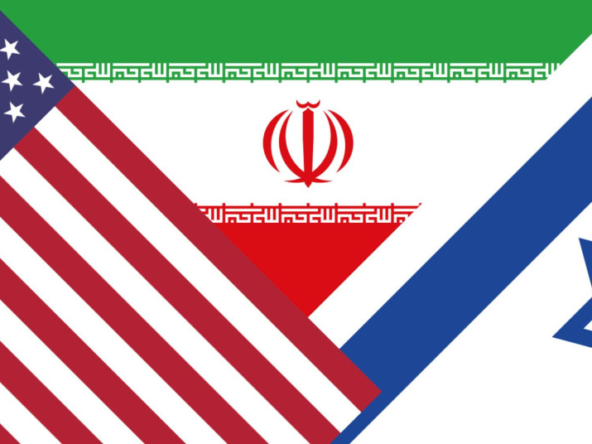
Market Share Strategy: This increase move is supported particularly by Saudi Arabia and the UAE, which aim to benefit from rising prices and regain market share amid U.S.-Iran tensions and disruptions in the Strait of Hormuz.
Overall Quota: The group’s overall production ceiling for 2026 is set at 39.725 million barrels per day.