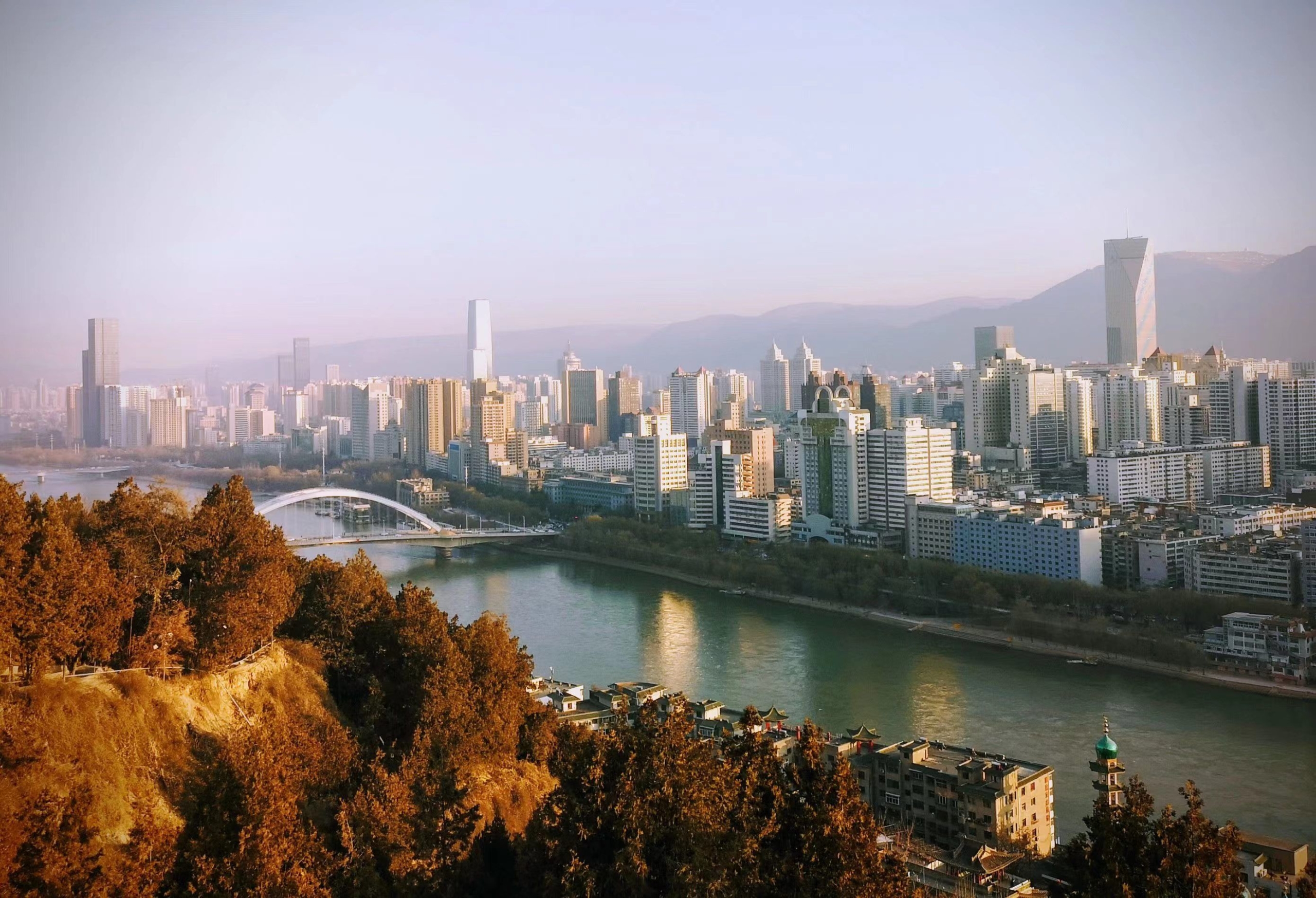
Discover Lanzhou: The Golden Heart of the Silk Road
The story of Lanzhou is essentially the story of the Silk Road, one of the most significant trade and cultural arteries in human history. With a history spanning approximately 2,500 years, this city serves as a grand “procession point” for civilizations.
A Glimpse into History
- Ancient Beginnings: The Golden City Lanzhou’s foundations were laid in the 6th century BC during China’s Warring States period. Back then, it was known as Jincheng, literally meaning “Golden City.” It earned this name both for the gold deposits found in the region and for being a strategic defense point “as precious as gold.”
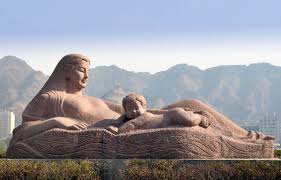
- Heart of the Silk Road During the Han Dynasty (206 BC – 220 AD), Lanzhou found its true identity. It became a critical stop linking China’s interior to Central Asia and Europe. Since the Yellow River narrows here, it was the primary crossing point for caravans.
- The Gateway of Buddhism Buddhist monks traveling from India followed the Lanzhou route into China. This led to the creation of magnificent cliffside cave monasteries and statues, such as the Bingling Temple.
- Modern Era: Industry and Energy By the 20th century, Lanzhou transformed from an ancient trade hub into an industrial powerhouse. Since the 1950s, it has become a center for petrochemicals and energy, yet it still retains that old “caravanserai” spirit amidst modern skyscrapers.
When to Visit?
Lanzhou’s climate is a bit of a “tough guy”—hot summers and quite frosty winters.
- Best Time: Between May – June or September – October. The weather is mild and perfect for sightseeing.
- Fruit Season: If you go in September or October, you won’t be able to get enough of the region’s legendary sweet melons and grapes.
Must-See Places
Since Lanzhou stretches along the river, it is very easy and pleasant to explore.
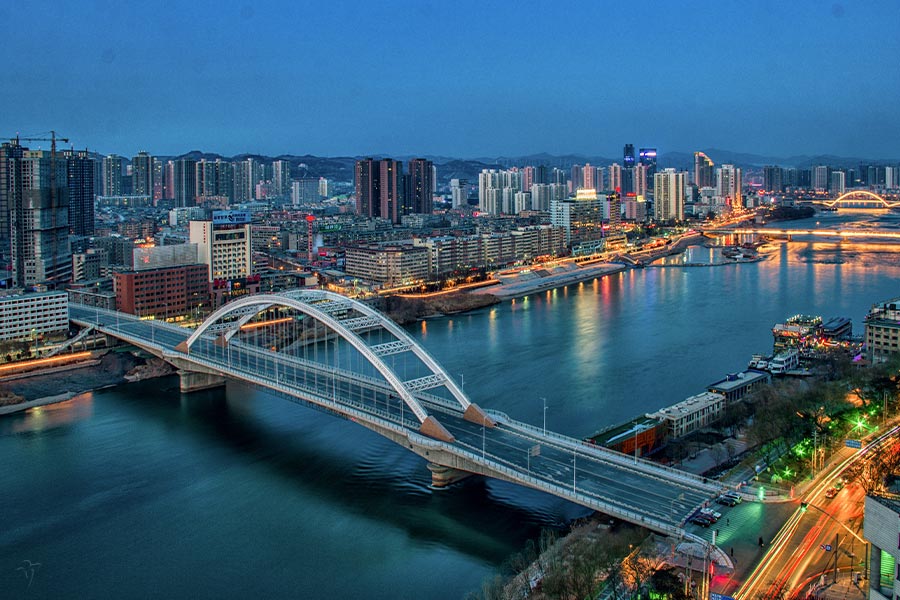
- Zhongshan Bridge (Iron Bridge): The symbol of the city and the first real bridge over the Yellow River. It looks stunning with evening lights—a perfect photo spot!
- Baita Shan (White Pagoda Mountain): Located just north of the bridge. When you reach the summit, all of Lanzhou and the Yellow River lie beneath your feet. Having tea here at sunset is priceless.
- Waterwheel Park: Here you can see the massive ancient waterwheels that used the river’s power to irrigate fields.
- Gansu Provincial Museum: Don’t leave without seeing the “Galloping Horse Treading on a Swallow” statue.
- Bingling Temple Caves: A bit outside the city but absolutely worth it. Reached by boat via the river, these giant Buddha statues will transport you to another time.
Cuisine: Welcome to the Capital of Noodles!
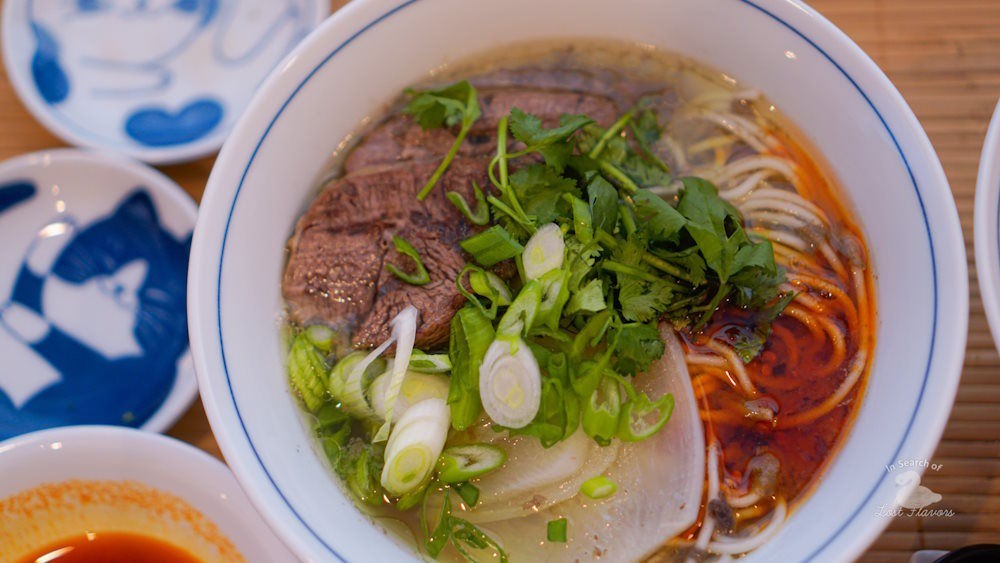
When it comes to Lanzhou, everything else stops because this is the birthplace of “Lanzhou Lamian” (Hand-pulled beef noodles).
- Lanzhou Beef Noodles: Head to a local shop early in the morning. The noodles are pulled right before your eyes. There are five rules: clear broth, white radish, red chili oil, green coriander, and yellow noodles.
- Lamb Skewers (Chuan’r): In the evenings, you won’t be able to resist the smell of lamb skewers smoking in the side streets. The spice balance is magnificent.
- Milk & Barley Soup (Niunai Jiamu): A slightly sweet and refreshing local drink/dessert; it goes great after spicy food.
Where to Stay?
- City Center (Chengguan District): Ideal if you want to be close to shopping streets, restaurants, and the Zhongshan Bridge.
- Riverside: Choose a hotel with a Yellow River view to wake up to the sight of locals strolling along the riverbanks.
- Near the Train Station: A practical choice if you are heading to other cities like Dunhuang or Xi’an.
A Little Tip
The people of Lanzhou are very hospitable. Don’t forget to grab a stool at an open-air tea garden by the river, chat with the locals (maybe using sign language!), and watch the Yellow River flow by.